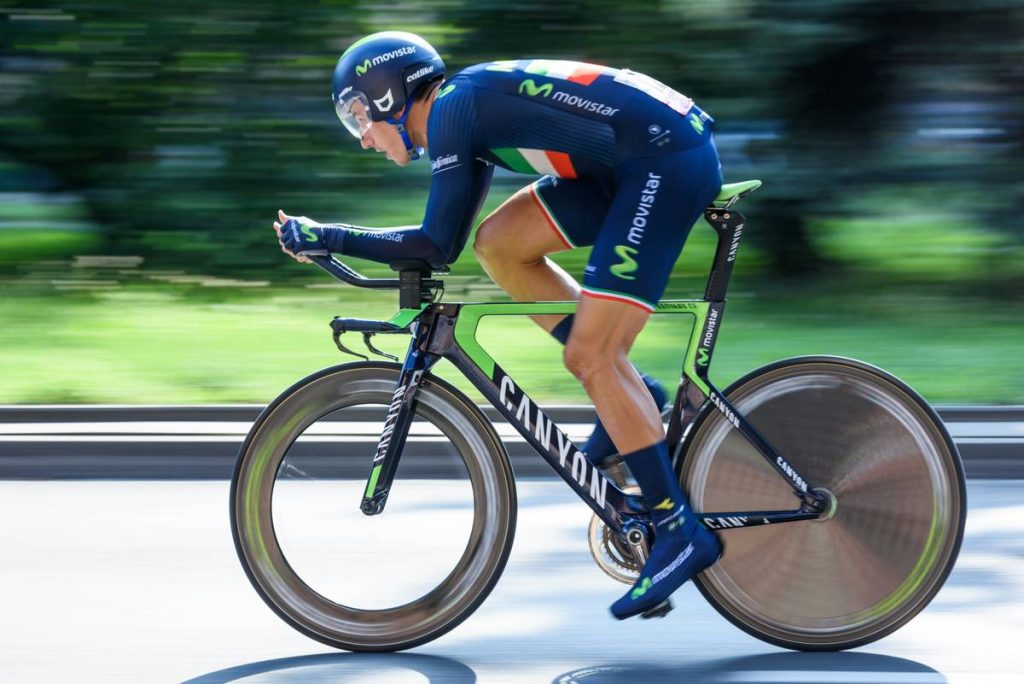
You’ve tried every diet. You’ve walked, lifted, fasted—yet that stubborn fat clings on. And now you’re wondering: could a late-night spin bike session be the missing piece? Here’s the hard truth: timing matters more than intensity when it comes to fat loss—and cycling weight loss before bed taps into a metabolic window most ignore.
Why Most Evening Workouts Fail to Burn Fat
Most people pedal mindlessly for 20 minutes after dinner, expecting magic. It doesn’t happen. Why? Because they’re either too full (blunting fat oxidation) or too drained (relying on glycogen, not stored fat). And cortisol—the stress hormone—peaks in the evening for many, especially if work chaos bled into dinner. That combo? A fat-storage cocktail.
But cycling weight loss before bed isn’t about grinding until you collapse. It’s strategic. Low-intensity, steady-state effort—right before sleep—triggers overnight lipolysis without spiking cortisol. The catch? Do it wrong, and you’ll disrupt sleep, undoing all progress.
cycling weight loss before bed: Your Step-by-Step Protocol
Pick the Right Intensity Zone
Aim for 60–70% of your max heart rate. That’s conversational pace—where you could speak full sentences without gasping. This zone maximizes fat as fuel, not carbs. Use a chest strap or smartwatch; guessing leads to failure.
Time It Like a Pro
Start 60–90 minutes after your last bite. Not right after dinner. Not at midnight. Your body needs time to shift from digestion to mobilization mode. And finish at least 45 minutes before lights out—otherwise, elevated core temperature delays melatonin release.
Fuel Smart, Not Hard
No pre-ride protein shakes. No sugary gels. If hungry, sip electrolyte water with a pinch of sea salt. The goal is mild glycogen depletion—not starvation. Empty enough to burn fat, full enough to avoid muscle cannibalism.
| Evening Activity | Impact on Overnight Fat Burn | Sleep Quality Risk |
|---|---|---|
| High-intensity interval cycling | Low (uses glycogen, raises cortisol) | High |
| Steady-state cycling (60–70% HR max) | High (activates fat oxidation pathways) | Low (if done 45+ mins before bed) |
| Walking post-dinner | Moderate (good for glucose control, less fat-specific) | Very low |
| Doing nothing | Minimal (relies on basal metabolic rate only) | None—but no fat-loss boost |

The Industry Secret: Your Liver’s Midnight Shift
Here’s what fitness influencers won’t tell you: the real fat-burning happens while you sleep—but only if your liver is primed. Cycling weight loss before bed at low intensity gently depletes intrahepatic glycogen. That signals the liver to pull fatty acids from adipose tissue overnight for gluconeogenesis. Translation? You wake up lighter—not from sweat, but from silent, internal cleanup.
But mess up the timing or intensity, and you flood the system with adrenaline instead. Suddenly, your liver stores fat rather than releasing it. And that’s why so few see results—they’re pedaling in the dark, literally and metabolically.
FAQ
Does cycling before bed help lose belly fat?
Yes—if done at low intensity and timed correctly. It enhances overnight fat mobilization, including abdominal stores, by optimizing hormonal conditions during sleep.
How long should I cycle before bed to lose weight?
20–30 minutes is ideal. Longer sessions risk elevating stress hormones or delaying sleep onset, which sabotages recovery and fat loss.
Can spinning at night cause insomnia?
Only if too intense or too close to bedtime. Keep effort light and finish at least 45 minutes before sleep to avoid disrupting melatonin production.