You’ve pedaled for weeks—maybe months—and the scale barely budges. You’re sweating, your quads burn, you’re showing up… but cycling weight loss results feel elusive. Why? Because most people treat cycling like a calorie-burning checkbox, not a metabolic catalyst. The truth? How you ride matters infinitely more than how long.
Why Most Cyclists Never See Meaningful Weight Loss
Steady-state spinning at a moderate pace for 45 minutes? It feels productive. But your body adapts fast—and stops burning fat efficiently after just 3–4 weeks. And if you’re rewarding yourself with a post-ride smoothie or energy bar, you’re likely negating half your effort.
Worse yet: many riders stay in “fat-burning zone” myths—keeping heart rates too low to trigger meaningful metabolic shifts. You need intensity spikes, recovery rhythms, and strategic fueling—not just miles logged.
How to Actually Get cycling weight loss results
Forget grinding mindlessly. This isn’t about suffering more. It’s about riding smarter—with precision timing, resistance manipulation, and recovery alignment.
Ride Timing Matters More Than Duration
Morning rides on an empty stomach? They *can* amplify fat oxidation—but only if kept under 60 minutes and below 70% max heart rate. Push too hard fasted, and you’ll catabolize muscle, slowing metabolism long-term.
Resistance > Speed for Metabolic Afterburn
High cadence with low resistance burns calories *during* the ride. But heavy resistance at moderate cadence—especially during intervals—triggers EPOC (excess post-exercise oxygen consumption). That means you keep burning fat for 18–36 hours *after* dismounting.
Nutrition Windows Are Non-Negotiable
Eat within 45 minutes post-ride—but prioritize protein + complex carbs. Skip this, and your body stays in breakdown mode. Hit it right, and you lock in fat loss while rebuilding lean mass.
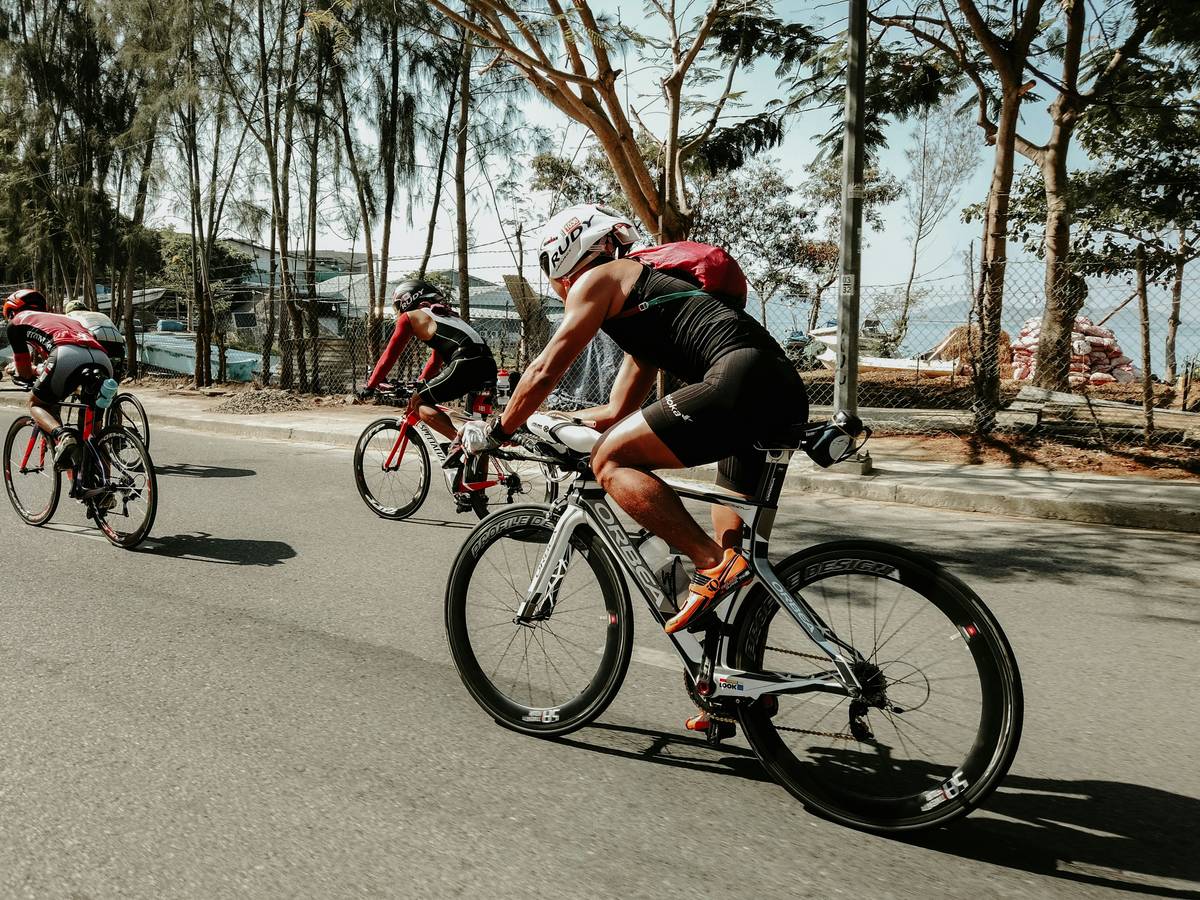
| Approach | Calories Burned (Avg/Session) | Fat Loss Impact | Sustainability |
|---|---|---|---|
| Steady-State (60 min, moderate) | 400–500 | Low (plateaus by week 4) | High |
| HIIT Cycling (25 min, intervals) | 350–450 | High (EPOC effect lasts 1.5 days) | Medium |
| Heavy Resistance Climbs (40 min) | 500–650 | Highest (builds muscle + burns fat) | Medium-High |
The Industry Secret: Your Bike Isn’t the Problem—Your Recovery Is
Here’s what spin studios won’t tell you: overtraining on the bike sabotages weight loss. Chronically elevated cortisol from daily intense sessions tells your body to cling to fat—especially around the midsection. And without 7–9 hours of quality sleep, leptin and ghrelin go haywire, spiking cravings.
I’ve seen clients lose zero pounds riding six days a week—then drop 8 lbs in three weeks when they cut back to four focused sessions and prioritized sleep + hydration. The math is simple: recovery isn’t passive. It’s where fat loss actually happens.
FAQ
How long until I see cycling weight loss results?
Most notice changes in 2–3 weeks with consistent high-resistance or HIIT rides, proper post-ride nutrition, and adequate sleep—especially in waist circumference and energy levels.
Can indoor cycling alone help lose belly fat?
Not directly—spot reduction is a myth. But cycling paired with calorie control and strength training lowers overall body fat, which includes abdominal stores. Consistency beats intensity here.
Is 30 minutes of cycling enough for weight loss?
Yes—if it’s structured. A 30-minute session with 3–4 high-resistance intervals beats 60 minutes of easy pedaling. Quality trumps duration every time.