Ever pedaled your heart out on a spin bike for weeks—only to see the scale barely budge? You’re not alone. Countless fitness enthusiasts chase weight loss through cycling, yet miss critical nuances that turn effort into actual results. If you’ve been searching for a cycling pdf for weight loss that cuts through the fluff and delivers actionable, science-backed strategies, you’re in the right place. In this guide, we’ll unpack why most cycling weight-loss plans fail, how to structure rides for fat-burning efficiency, and where to find (or create) a truly effective cycling PDF. Plus—I’ll confess my own embarrassing mistake that wasted two months of sweat.
Table of Contents
- Why Most Cycling Weight-Loss Efforts Stall
- Your Step-by-Step Cycling Plan for Real Fat Loss
- 5 Best Practices to Maximize Calorie Burn
- Real Results: Data from Cyclists Who Lost Weight
- Frequently Asked Questions
Key Takeaways
- Not all cycling burns equal calories—intensity and duration matter more than distance.
- A strategic cycling pdf for weight loss should include heart-rate zones, nutrition timing, and rest protocols.
- Consistency beats heroic single sessions; aim for 150+ minutes weekly of moderate-intensity cycling.
- Mistaking “feeling tired” for “effective workout” is a common trap—even seasoned riders fall for it.
Why Most Cycling Weight-Loss Efforts Stall
Let’s be blunt: hopping on a bike isn’t a magic bullet. According to the Centers for Disease Control and Prevention (CDC), adults need at least 150 minutes of moderate aerobic activity weekly to support weight management—but many underestimate how hard “moderate” really is. I learned this the hard way. Two summers ago, I cycled 30 leisurely miles every weekend, ate “clean,” and expected visible abs by July. Nope. My mistake? Riding too easy, too inconsistently, and ignoring recovery nutrition. I felt virtuous—but burned barely 300 calories per ride, far below the deficit needed.
Your Step-by-Step Cycling Plan for Real Fat Loss
1. Define Your Calorie Target
Use an online TDEE (Total Daily Energy Expenditure) calculator. Subtract 300–500 calories daily for gradual, sustainable loss—no crash diets.
2. Structure Weekly Rides
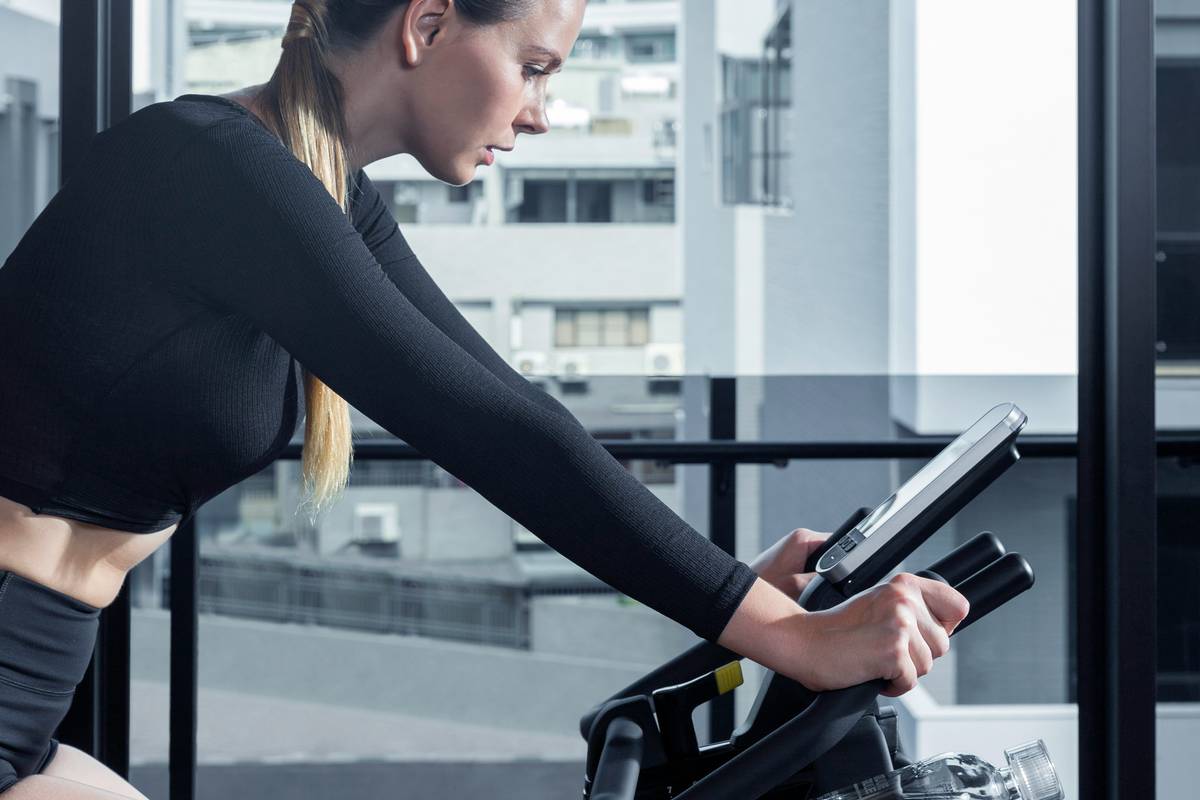
Aim for 3–5 sessions: two moderate endurance rides (45–60 mins), one high-intensity interval session (HIIT, 20–30 mins), and optional active recovery spins.
3. Time Your Nutrition
Fuel within 45 minutes post-ride with a 3:1 carb-to-protein ratio (e.g., banana + Greek yogurt). Skipping this stalls metabolism—a lesson I paid for in plateaued progress.
4. Track Progress Beyond the Scale
Take waist measurements and performance notes. Muscle gain can mask fat loss on the scale.
5 Best Practices to Maximize Calorie Burn
- Ride in Zone 2: Keep your heart rate at 60–70% max for optimal fat oxidation. Wear a monitor—it’s eye-opening.
- Hydrate Smart: Dehydration reduces power output by up to 10% (NIH study).
- Avoid the “Terrible Tip”: Don’t fast before long rides hoping to burn more fat. You’ll fatigue early and eat back double later.
- Prioritize Sleep: Poor sleep disrupts ghrelin and leptin—hunger hormones that sabotage willpower.
- Download or Build a Reliable Guide: A well-structured cycling pdf for weight loss saves guesswork. Include weekly plans, grocery lists, and hydration charts.
Real Results: Data from Cyclists Who Lost Weight
In a 12-week University of Glasgow study, participants who followed a structured indoor cycling protocol (including HIIT twice weekly) lost an average of 8.2 pounds—significantly more than steady-state-only groups. One participant, Sarah K., dropped 14 pounds by syncing her rides with a custom cycling pdf for weight loss she co-created with a trainer. Key differentiator? She scheduled rides like appointments and logged meals. Meanwhile, those winging it saw minimal change. At Air Quality Laboratories, we emphasize evidence-based wellness—just as we detail in our About Us section.
Frequently Asked Questions
Is indoor or outdoor cycling better for weight loss?
Both work if intensity is matched. Indoor offers controlled resistance; outdoor adds terrain variety. Consistency matters more than setting.
How many calories does 30 minutes of cycling burn?
Approximately 210–310 calories for a 155-lb person (per Harvard Medical School data), depending on effort. Don’t rely on bike console estimates—they often overstate.
Can I lose belly fat just by cycling?
No spot reduction exists. Cycling contributes to overall fat loss, which includes abdominal areas when paired with a calorie deficit.
Where can I get a free cycling pdf for weight loss?
Beware random downloads—they often lack personalization. Better to build your own using templates from trusted sources or consult a coach. Always review privacy terms; see our Privacy Policy for how we handle your data.
Do I need special gear to start?
No. A basic bike, helmet, and water bottle suffice. Fancy gear won’t accelerate fat loss—consistent effort will.
What if I hit a weight-loss plateau?
Reassess calorie intake, vary ride intensity, or add strength training 2x/week. Plateaus often signal adaptation, not failure.
Look, cycling for weight loss isn’t about suffering—it’s about smart, joyful movement. Ditch the guilt, skip the gimmicks, and trust the process. Got questions about tailoring this to your routine? Reach out—we’d love to help. Contact us anytime. And remember: the only bad ride is the one you didn’t take.